

Why Your Pipeline Problem is Actually a Leadership Opportunity
As a leader, you’ve likely heard—or even said—the phrase: "We’d love to diversify our team, but the pipeline just isn’t there."
It is one of the most common frustrations in the corporate, research, and creative worlds. You have the mission statement, the budget, and the desire to change, yet the demographics of your leadership and senior staff remain stagnant. It feels like an external problem—a market reality that you simply have to wait out.
But my research into organizational change suggests something different. What we often call a Pipeline Problem is actually an Implementation Gap.

Is Your Leadership Lens Stalling Your Growth?
In the corporate world, film industry, and academia, we are obsessed with Strategy. We spend millions on consultants, strategic plans, and diversity initiatives. Yet, for many organizations, the results are underwhelming. The plan looks great on paper, but the culture on the ground remains unchanged.
This is the Implementation Gap. My research into organizational transformation suggests that the gap isn't only caused by a bad plan or a lack of budget. It is caused by the Leadership Lens.
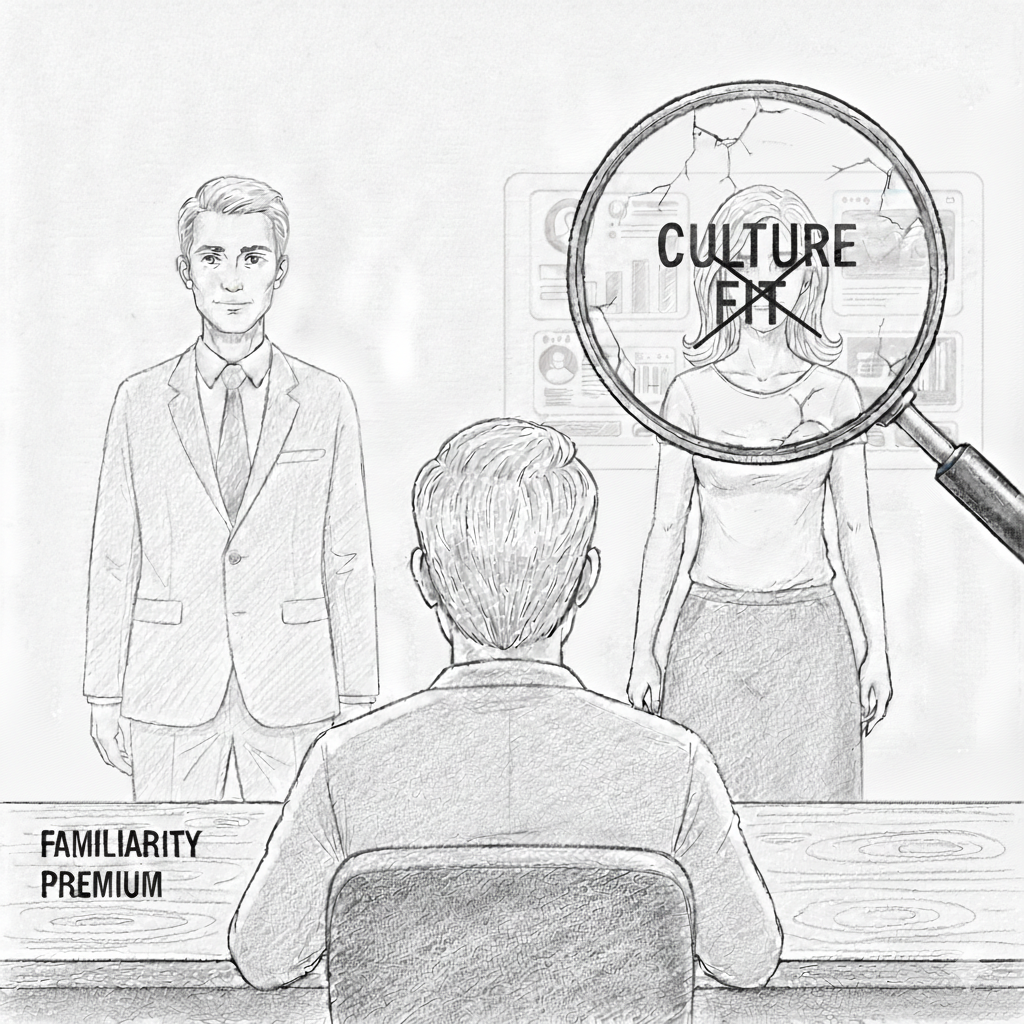
Stop Hiring Based on Gut Feeling: How New Routines Can Unlock Your Team’s Potential
In the corporate, research, and creative worlds, we pride ourselves on being meritocratic. We believe that the best talent rises to the top based on their skills, achievements, and potential.
But when we look closer at how hiring and promotion decisions are actually made, we often find a different reality. Instead of objective data, many leaders rely on gut feelings, chemistry, or the elusive culture-fit.
In my research on talent evaluation, I’ve found that these instinctive routines are one of the biggest bottlenecks to organizational innovation. When we rely on our instincts, we don't find the best talent; we find the talent that is most familiar to us.

Leading Beyond the Office: Why Your Biggest Innovation Opportunities Lie Across the Boundary
In today’s interconnected economy, no organization is an island. Whether you are a corporate firm navigating local regulations, a researcher conducting field-work, or a film production studio working in a sensitive location, your success depends on your ability to partner with people outside your walls.
Yet, most organizations approach these partnerships as a series of transactions. They treat communities as stakeholders to be managed rather than collaborators to be integrated. This approach doesn't just damage trust—it hinders innovation.
In my research on high-stakes collaborative environments, I’ve found that the most successful projects aren’t led by top-down managers, but by Boundary Spanners.

Is Your Off-Site Culture Hindering Your Innovation?
How to Lead in High-Stakes Environments
In the office, we have HR policies, ergonomic chairs, and inclusive meeting protocols. But what happens to your culture when the team goes into the field? Whether it's a three-month film shoot in a remote location or a high-pressure executive retreat, these off-site environments are where your culture is truly tested.
My research into Fieldwork Environments reveals that these spaces often operate by a different set of unwritten rules—rules that frequently reward Legacy Identities and unintentionally exclude your innovative, diverse talent.
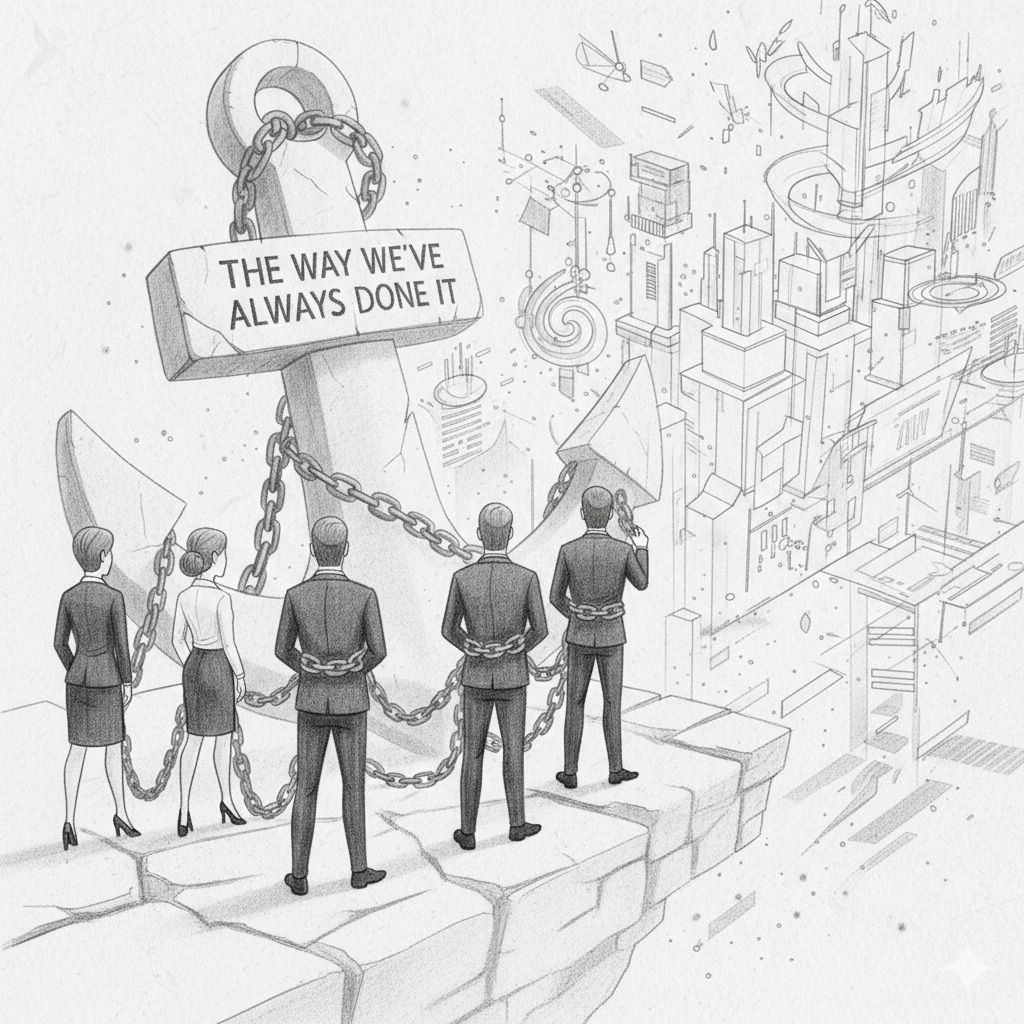
Why Good Leaders Stall: Navigating the Friction of Organizational Change
You have the data. You have the strategic plan. You have a leadership team that has publicly committed to a more excellent, innovative culture.
Yet, when it comes time to make the hard decisions—reallocating budgets, changing hiring rubrics, or shifting promotion standards—everything slows down. Meetings become tense or strangely silent. Deadlines for new initiatives are quietly pushed back.
In my research on organizational transformation, I’ve found that this isn't usually a failure of "will." It’s an Emotional Implementation Gap.

The Invisible Operating System: Why Your Strategy Needs a Structural Upgrade
In the business, research, and creative worlds, we often talk about organizational culture as if it’s something we can simply announce or change with a new set of values. But after a decade of research into high-stakes organizations, I’ve found that culture is more like an Operating System. If your organization was built decades ago, it is likely running on a Legacy OS designed to prioritize a very specific, traditional demographic—it is a Structural Bias that silently filters out innovation, talent, and growth.

Why Your Strategic Initiatives Aren't Working (And How to Fix the System)
Many leaders today feel a sense of Performance Fatigue. They have invested in task forces, hired consultants, and launched high-visibility initiatives, yet the actual culture of their organization remains remarkably similar to how it looked five years ago.
If this sounds familiar, you don't have a lack of commitment problem. You have a Structural Alignment problem.

Don’t Set Your Leaders Up to Fail: Why Passion Isn't a Substitute for Infrastructure
In many high-impact organizations, the first step toward cultural change is appointing a dedicated leader or task force. These are often high-performers—experts in their specific creative or technical fields—who have a genuine passion for the mission.
But passion alone is not a strategy. Without a roadmap or expert support, even the most dedicated leaders find themselves in an isolated sink-or-swim scenario.
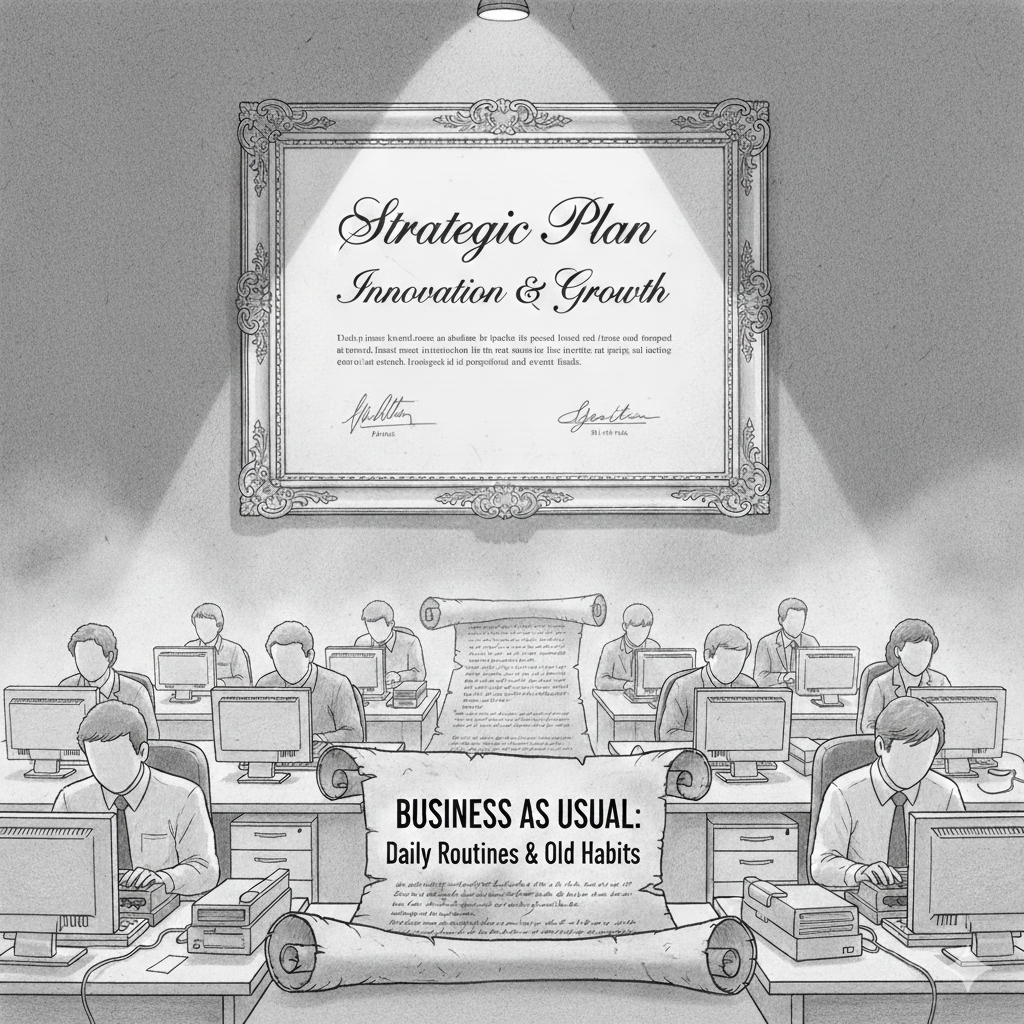
Is Your Strategic Plan Actually Shielding You from Change?
In the corporate and creative worlds, a Strategic Plan is often seen as the ultimate proof of commitment. We spend months drafting them, holding focus groups, and polishing the language until it sounds perfect.
But for many organizations, the plan itself becomes the finish line. Once the document is published, the urgency fades. This is what research calls Nonperformativity—the act of stating a goal as a substitute for achieving it.
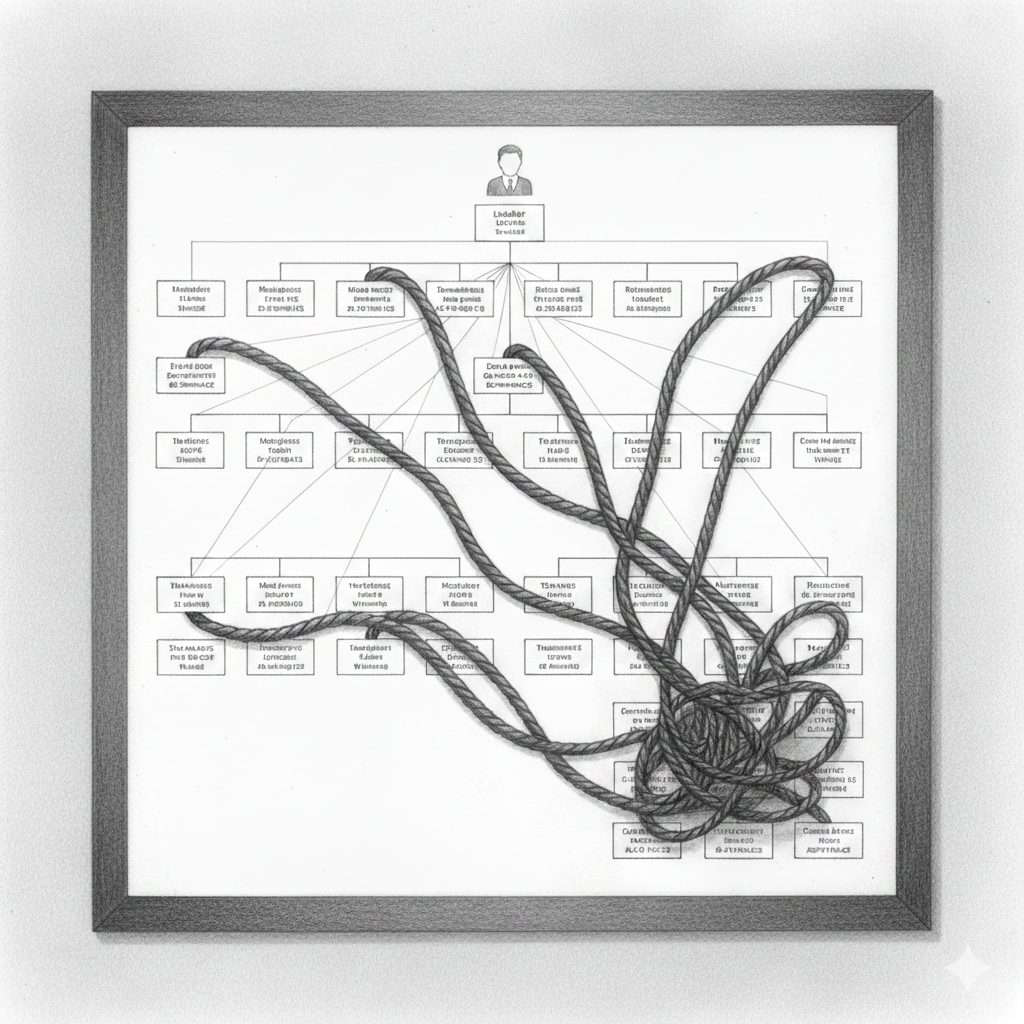
The Hidden Map: Why Your Official Org Chart Isn't Enough to Drive Change
You’ve likely seen it happen: two units within the same organization are given the exact same mandate, the same resources, and the same diversity hiring targets. One year later, one unit has a vibrant, diverse new cohort of leaders, while the other remains exactly as it was, claiming they “just couldn't find the right fit.”
When a strategic plan fails in one room but succeeds in another, the problem isn’t the plan. The problem is the Informal Power Structures.